
11 Hair Regrowth Treatments People Actually Recommend
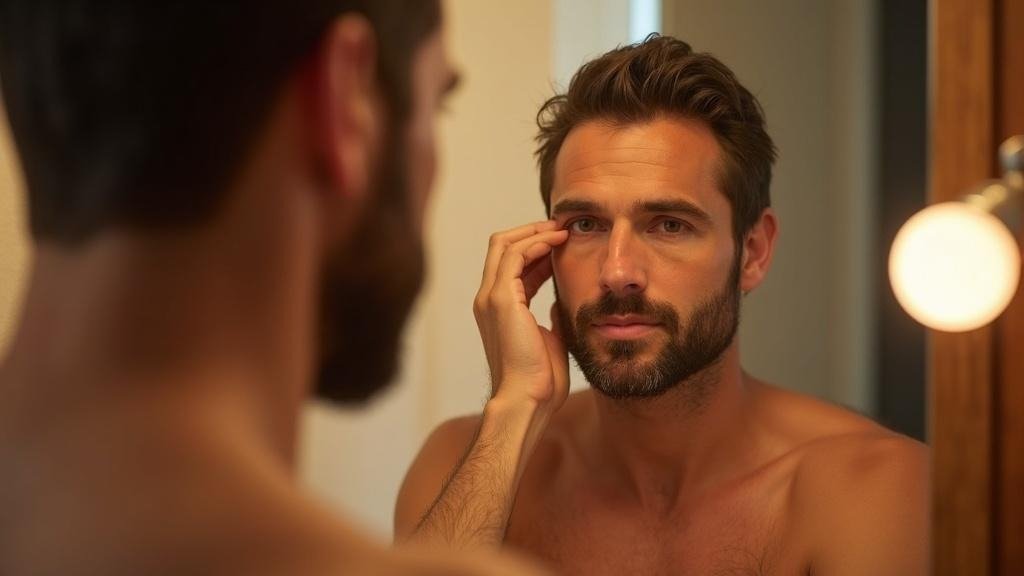
The single thing that separates people who see results from those who waste money is knowing exactly where they stand before spending a dollar. Stage matters. Guessing your hair loss stage and choosing a treatment accordingly is how most people end up disappointed.
Here are the eleven options that keep coming up in forums, clinics, and dermatology waiting rooms.
1. HairLine AI (Free Staging Tool Before You Do Anything Else)
Start here. HairLine AI is a free, browser-based tool that reads a photo of your hairline, uses Google’s Gemini 1.5 Pro vision model plus MediaPipe facial detection, and spits out a Norwood stage classification alongside a rough graft count and cost estimate. No account. No credit card. Just a photo and a result in seconds.
Why does this earn the top spot? Because most people jump straight to buying a three-month supply of minoxidil without knowing whether they are a Norwood 2 who could respond well to medication or a Norwood 6 who genuinely needs a transplant consultation first. This tool gives you an objective read, not a quiz designed to sell you a subscription. The output is a starting point, not a diagnosis, and the tool is honest about that. It does not prescribe anything or replace a dermatologist visit.
Use it first. Then choose from the options below with better information.
2. Minoxidil (Generic OTC, Topical or Oral)
The workhorse. Generic 5% minoxidil foam or solution runs roughly $10 to $20 for a three-month supply at most pharmacies. Oral minoxidil at 2.5 mg or 5 mg is increasingly prescribed off-label and some studies suggest it outperforms topical for certain users. Results take at least three to four months. Stop using it and the regrowth reverses. That is not a flaw, just the reality of how it works.
3. Finasteride (Generic Oral)
The other evidence-backed standard. One milligram daily, prescription required. It works by reducing DHT, the hormone responsible for follicle miniaturization in androgenetic alopecia. A minority of users report sexual side effects including reduced libido or erectile dysfunction. Those effects typically resolve after stopping, though some men report longer-lasting issues. Talk to a clinician before starting. Generic finasteride is cheap, often under $20 a month.
4. Hims
Hims covers more ground than any other telehealth hair brand right now. They are the only major platform offering topical finasteride as a standalone product, which appeals to men who want DHT reduction with potentially less systemic absorption than the oral pill. Their formulary also includes oral finasteride, both oral and topical minoxidil, and multi-ingredient combination products. Pricing varies by plan. The app experience is polished and the async doctor review model is convenient, though you are still seeing a clinician on a screen, not in person.
5. Keeps
Keeps is tighter in focus than Hims and slightly cheaper if you commit to a three-month supply. Finasteride and minoxidil are the main offerings. Shipping is around $5. The interface is straightforward. Good option if you already know what you need and want a no-frills ongoing supply without a lot of upsell.
6. Happy Head
Happy Head differentiates itself by offering custom prescription topical compounds, meaning a licensed provider can formulate a combination product with finasteride, minoxidil, and other actives in a single topical application. That appeals to people who want a tailored formula rather than a standard off-the-shelf product. Prices are higher than generic alternatives. The custom angle is genuinely different, not just marketing language.
7. Roman (Ro)
Roman offers generic oral finasteride and topical solution minoxidil through an online visit model. No foam minoxidil, which some users prefer for texture reasons. The platform is clean and the async consultation is fast. If you want a simple two-product oral and topical regimen without extras, Roman does the job at a reasonable price point.
8. Ketoconazole Shampoo (Nizoral or Generic)
Often overlooked. Ketoconazole 1% shampoo is available OTC and 2% by prescription. Some clinical evidence suggests it may reduce scalp DHT and complement minoxidil use when applied two to three times per week. It is not a standalone treatment for significant loss, but as an adjunct it costs almost nothing and the risk profile is minimal.
9. Derma Rolling (Microneedling at Home)
A 0.5 mm to 1.0 mm derma roller used once weekly on the scalp appears in multiple small studies as a meaningful addition to minoxidil. The theory is that microneedling triggers wound-healing growth factors and improves topical absorption. A decent roller costs $20 to $40. Technique matters. Sterilize the device, use light pressure, and do not roll on actively inflamed scalp.
10. BosleyRx and Bosley Medical
Bosley has transplant heritage going back decades. The BosleyRx side offers Rx medications through their clinical network, while the broader Bosley operation handles in-person consultations and surgical procedures. If you are at a stage where medication is unlikely to produce meaningful regrowth, Bosley is one of the established names for a transplant evaluation with a documented track record.
11. Keranique (Women’s OTC Minoxidil System)
Women’s hair loss gets far less coverage than men’s. Keranique uses 2% minoxidil, the FDA-approved concentration for women, in a targeted scalp drop system. It is OTC, reasonably priced, and specifically formulated for the diffuse thinning pattern common in female androgenetic alopecia. Women should also consider a dermatology visit since thinning can have hormonal or nutritional causes that medication alone will not fix.
A note before you spend anything: none of these tools or medications work the same for everyone, AI staging is a guide not a clinical verdict, and finasteride in particular carries real side effect considerations that a doctor needs to walk you through. The treatments here are backed by evidence, but evidence means population averages, not guarantees for any individual.
Common Questions
Does HairLine AI’s Norwood classification change which telehealth platform you should pick?
Yes, meaningfully. A Norwood 2 or 3 with early recession is a good candidate for minoxidil-only platforms like Keeps. Higher stages, say Norwood 5 or 6, may benefit from the combination formulas at Hims or Happy Head, or from skipping telehealth entirely and booking an in-person surgical consultation through a provider like Bosley.
Is there any real difference between getting finasteride from Hims, Keeps, or Roman versus a local pharmacy?
The molecule is identical. Generic finasteride 1 mg is the same drug regardless of where it is prescribed. The differences are price, how fast the async consultation moves, and what companion products each platform bundles. If your only goal is finasteride at the lowest cost, compare current three-month pricing across all three before committing.
Can women use any of the treatments listed here, or is Keranique the only option?
Finasteride is not FDA-approved for women and is contraindicated in pregnancy. Minoxidil is the primary medication option, and Keranique’s 2% formulation is designed specifically for women. Oral minoxidil is sometimes prescribed off-label for women by dermatologists. The telehealth platforms listed here are largely male-focused, so women generally get better guidance from an in-person dermatology appointment.
How long before you can tell whether minoxidil or finasteride is actually working?
Three to four months is the minimum before drawing any conclusions, and six months gives a clearer picture. Both treatments cause an initial shed in some users during the first six to eight weeks, which is normal and not a sign the treatment is failing. Photographing the same scalp area under consistent lighting every four weeks is the most practical way to track change objectively.
What is the point of adding a derma roller if you are already using minoxidil from one of these platforms?
Microneedling at 0.5 mm to 1.0 mm depth appears to stimulate growth factors and may increase minoxidil absorption through the scalp barrier. The Dhurat et al. study found the combination outperformed minoxidil alone in a controlled trial. A roller costs $20 to $40 and adds roughly five minutes to a weekly routine, so the cost-to-benefit ratio is favorable if you are already committed to a topical regimen.
Sources
- American Academy of Dermatology, clinical practice recommendations for androgenetic alopecia
- Suchonwanit P. et al., peer-reviewed analysis of minoxidil pharmacology and hair disorder applications, *Drug Design, Development and Therapy*, 2019
- Gupta A.K. et al., ketoconazole shampoo and hair loss, published clinical review data
- Dhurat R. et al., microneedling and minoxidil study, *International Journal of Trichology*, 2013
- U.S. FDA, approved indications for minoxidil and finasteride