
Why Nail Pops Can Lead to Future Leaks
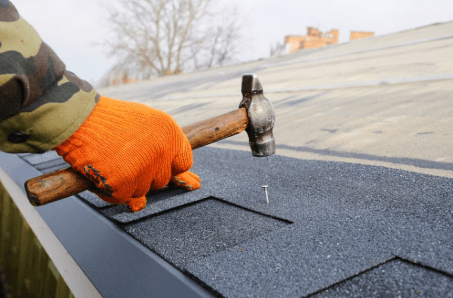
A roof does not usually fail with a dramatic opening in its surface. More often, the first sign is something small that looks easy to ignore. Nail pops fall into that category. They may seem like a minor surface flaw, but they can break the tight seal that keeps water out. That is one reason homeowners looking into roof repair brigham city should pay attention when even one shingle starts to lift around a fastener.
A nail pop becomes a problem because it changes how the surrounding roofing materials sit and function. Shingles are supposed to stay flat, seal properly, and guide water down the roof. When a nail starts lifting, it can push against the shingle above it, break that seal, and create a small opening where rain or melting snow can get underneath.
Nail Pops Create Weak Spots in a Roof
Shingles are meant to lie flat and overlap in a way that keeps water moving off the roof. When a nail starts to rise, that balance changes. The shingle above it may lift, fail to seal properly, or begin to wear at the raised spot. From the yard, it may look minor. On the roof, it creates a place where water and wind can start causing trouble.
That is why nail pops deserve more attention than they usually get. The gap does not have to be big to create a problem. Rain can seep under the shingle, little by little, wet the underlayment, and eventually reach the wood beneath. Once moisture starts to build up below the surface, the condition of the roof can be worse than it looks from the outside.
Water Does Not Always Show Up Where It Gets In
A popped nail can lead to a leak that appears somewhere else entirely. Water does not always drip straight down from the point where it entered. It can move across the roof deck, follow the slope, or collect before it finally shows up indoors. By the time a stain appears on a ceiling, the moisture may have already traveled through more than one part of the roof system.
That is part of what makes this kind of problem easy to misread. A lifted spot in one shingle may not seem related to damp insulation, peeling paint, or a musty attic smell. But those signs can all come from the same source. What starts as one raised nail can end up affecting a much larger area than most homeowners expect.
Seasonal Expansion and Contraction Often Make the Problem Worse
Nail pops tend to develop over time because roofs are always moving. Wood decking expands and contracts with changes in moisture and temperature. Roofing materials heat up, cool down, and shift through the seasons. If a nail was not driven properly to begin with, or if the decking shifts enough around it, that fastener can start working its way upward.
As soon as a nail starts backing out, that part of the roof becomes easier for the weather to exploit. Wind can tug at the shingle, rain can work underneath it, and snow or ice can linger around the raised spot. What began as a small defect can turn into a repair that extends farther than expected because the roof is no longer moving water off the surface as it should.
A Small Fix on Top May Miss the Real Problem
It is easy to look at a nail pop and assume it only needs a quick touch-up. Many homeowners do. The trouble is that pressing the nail back in or patching over the spot does not tell you why it lifted or whether moisture has already gotten below the shingle.
That is where a more careful repair matters. If the shingle has split or lifted too much, it may need to be replaced. If water has already worked into the layers below, the repair may need to extend past the surface. A roof can still look fairly solid from the outside while the materials underneath are starting to break down.
Interior Signs Usually Mean the Problem Is Not New
When signs start showing up inside the house, the roof has often been vulnerable for a while. Ceiling stains, peeling paint, damp insulation, or a stale smell near the upper part of the home can all point to moisture getting in. At that stage, the issue is usually bigger than one raised nail.
That said, you do not need to wait for indoor damage to take nail pops seriously. Fixing the problem early may only involve replacing one shingle and correcting the fastener in that area. Waiting longer can turn a small roofing repair into work that also involves wood, flashing, insulation, or even finished interior surfaces.
See also: Improve Airflow with Opening Rooflights for Flat Roof Properties
Small Roof Symptoms Deserve Early Attention
A roof does not need to be actively leaking to justify repair. Nail pops are a good example of how a minor-looking issue can turn into a future leak if it is left alone. They interfere with the flat, sealed surface a roof depends on, and they create openings that weather can exploit over time.
For homeowners trying to avoid larger damage, the smarter approach is to treat these signs as warnings rather than cosmetic annoyances. A raised fastener today can become a leak path tomorrow. That is why homeowners considering roof repair brigham city should not dismiss nail pops as harmless. In roofing, small failures have a way of becoming expensive once moisture starts to move beneath the surface.