Houston Trucking Collisions: Who Can Be Held Responsible?
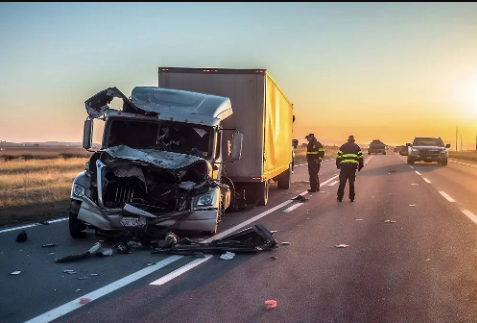
If you’ve driven through Houston during rush hour, you already know — the trucks are everywhere. They move through I-10, loop around 610, crawl down 45, and roll in from the Port at all hours. Most days, they blend into traffic. Just another rig hauling freight across Texas. Until something goes wrong. When a commercial truck crashes, the damage isn’t minor. It’s violent. Metal folds. Glass explodes. Small cars lose every time. And afterward, people are left asking the same question: Who’s actually responsible for this? The answer is rarely simple. Truck accident cases are layered. There’s the driver, sure. But there’s often more beneath the surface — company pressure, poor maintenance, bad loading, even faulty parts. Let’s walk through it clearly.
It’s Bigger Than a Two-Car Wreck
A typical car crash usually involves two drivers and two insurance policies. That’s manageable. A trucking collision? That can involve a driver, a trucking company, a vehicle owner, a cargo crew, and sometimes a parts manufacturer. Five players. Sometimes more. And every one of them may point fingers. That’s why many injured drivers speak with a Houston personal injury lawyer early. Not months later. Early. Because trucking companies send investigators out fast. Sometimes within hours. They protect themselves right away. You should too.
The Driver: Start Here, But Don’t Stop Here
Let’s begin with the obvious. If the truck driver was speeding, distracted, drunk, or exhausted, they can be held responsible. Federal rules limit how long truckers can drive before rest. Still, deadlines push hard. Sleep gets skipped. Corners get cut. Fatigue is common. So is distraction. Phones buzz. GPS screens glow. Even a two-second delay at 65 mph can change everything.
Common driver mistakes include:
- Driving past legal hour limits
- Texting or using a device
- Following too closely
- Ignoring blind spot
- Driving under the influence
But here’s something people don’t always realize: even if the driver made the mistake, the driver may not be the only one liable.
The Trucking Company: The Real Power Player
This is where things get more serious. Most truck drivers work for a business. The company hires them, trains them, plans their routes, and gives them deadlines for deliveries. If that company hired someone with a bad driving record, didn’t train them, ignored safety complaints, or made schedules that were impossible to meet, it might be partly to blame. This is the employer’s fault. The company is responsible if the driver was on the job at the time. The deeper problem isn’t always a driver who is driving too fast. It’s a system that rewards speed over safety. If a company quietly pressures drivers to ignore rest rules, that pressure shows up on the highway. Law firms like Schechter, Shaffer & Harris, LLP – Accident & Injury Attorneys often examine internal records. Driver logs. GPS data. Maintenance reports. Those documents tell a clearer story than any quick apology ever could. And those records matter.
Who Owns the Truck? It’s Not Always the Same Party
You’d think the trucking company owns the truck. Not always. Some companies lease vehicles. Some drivers own their rigs. Sometimes a separate equipment company owns the trailer. If brake systems weren’t maintained, tires were worn thin, or lights failed, the vehicle owner may be liable. Imagine an 80,000-pound truck with failing brakes. That’s not a small defect. That’s a loaded weapon moving through traffic. Maintenance failures are common factors in serious crashes. And maintenance responsibility doesn’t always sit with the driver.
See also: Car Park Sweeping Brisbane Services Explained
Cargo Loading: The Hidden Risk
This part surprises people. Improper loading can cause a truck to jackknife or roll over. Cargo can shift mid-turn. Weight can lean too far to one side. If a third-party crew loaded the truck incorrectly, that company may share fault. In Houston, freight moves constantly through the Port. Containers transfer fast. Timelines are tight. When loading crews rush, mistakes happen. And physics doesn’t forgive mistakes. Overloaded trailers, loose tie-downs, uneven weight — these issues can turn a normal lane change into a rollover.
When Parts Fail: Manufacturer Responsibility
Sometimes no one was distracted. No one was speeding. Sometimes a part simply fails. A tire blows without warning. A steering system malfunctions. Brakes fail under pressure. When defective parts cause or worsen a crash, the manufacturer may be responsible under product liability law. These cases take deeper investigation. Engineers may review the vehicle. Components get tested. Reports get studied line by line. It sounds technical, and it is. But the core idea is simple: if a product was unsafe and caused harm, the maker may be held accountable.
Can the Government Be at Fault?
In rare cases, yes. Poor road design, missing signs, broken signals, or unaddressed hazards can play a role in a crash. Claims against government agencies follow strict notice rules. Deadlines are shorter. Filing errors can end a claim quickly. These cases aren’t common, but they do happen — especially on high-traffic highways where road wear is heavy.
Shared Responsibility: The Reality in Texas
Here’s the part many people don’t expect. More than one party can share blame. A tired driver. A careless company. Faulty brakes. All contributing. Texas follows a modified comparative fault. If you are less than 51% responsible, you can still recover damages. Your compensation is reduced by your share of fault. If you are 20% at fault, your recovery drops by 20%. If you are more than 50% at fault, you recover nothing. That percentage matters. A lot. And trucking insurers fight hard over percentages.
What Damages Can Be Recovered?
Truck collisions often cause severe injuries:
- Brain injuries
- Spinal cord damage
- Internal trauma
- Burns
- Multiple fractures
Medical bills add up quickly. So does lost income. Some victims can’t return to work at all.
Compensation may include:
- Medical expenses
- Future treatment costs
- Lost wages
- Reduced earning ability
- Pain and suffering
- Property damage
In fatal crashes, families may pursue wrongful death claims. No lawsuit replaces a life. But financial relief can protect a family’s future. Serious truck cases are not minor claims. They involve large insurance policies and aggressive defense teams. Preparation matters.
Why Timing Matters More Than You Think
Evidence fades faster than most people realize. Electronic logging data can be erased. Maintenance records can be altered or lost. Skid marks disappear in the next rainstorm. And Houston gets plenty of those.
Trucking companies move quickly after a crash. They have response teams. Lawyers. Investigators. If you wait too long, key proof may vanish.
Preserving evidence early can secure:
- Driver log data
- Black box information
- Inspection reports
- Drug and alcohol test results
Those details often shape the entire case.
So, Who Can Be Held Responsible?
Let’s pull it together. In a Houston trucking collision, responsibility may fall on:
- The truck driver
- The trucking company
- The vehicle owner
- A cargo loading company
- A parts manufacturer
- In rare cases, a government agency
Every crash has its own chain of events. That chain must be examined carefully. Blame isn’t always obvious at first glance. And that’s the truth.
Frequently Asked Questions
1. Can I sue the trucking company and the truck driver?
Yes. If the driver was on the job when the crash happened, the company may be liable. You can also sue the company for hiring someone who wasn’t qualified or not keeping an eye on them.
2. What if the driver says they weren’t to blame for the crash?
An investigation looks at records, black box data, and reports from witnesses. Not just statements, but also evidence is used to find fault.
3. How long do I have to file a claim in Texas for a truck accident?
Most claims must be filed within two years of the crash. You might have to report claims against government agencies sooner.
4. Do settlements for truck accidents pay more than settlements for car accidents?
They often are. Truck accidents usually hurt people more, and commercial insurance policies usually cover more.
5. Do I really need a lawyer if I get into a truck accident?
Truck cases involve many parties, and the regulations aren’t always clear. You can safeguard crucial evidence and defend your rights by getting legal practice counsel.
Final Words
Things change quickly when a truck crashes. One minute you’re going home from work. The next thing you know, you’re in a hospital room going over the accident in your head. Being responsible isn’t just about blaming someone. It’s about finding answers. It’s about being responsible. And sometimes, it’s about making sure it doesn’t happen again. If you’re in that situation right now, you need to be clear. And the sooner you get it, the better off you’ll be.